
27012026 Bharath, Editorials:
- If most StartUp exits take 6–10 years, how should founders reset their expectations about timelines and personal stamina from day one?
- What would change in your decision-making if you treated “peace of mind” as a core exit KPI alongside valuation and multiple?
- How early should Indian founders bring tax advisors and wealth planners into exit conversations, given evolving capital gains rules?
- What support systems can boards and investors create to reduce identity shock and mental health fallout after founders step away?
- How can incubators and accelerators train first-time founders to see exit strategy as ongoing portfolio design, not a last-minute negotiation?
If your only exit plan is “sell for 10x and disappear,” you are underprepared. Studies show many successful StartUp exits take 6–10 years, not overnight wins. This guide reframes StartupStories around peace of mind, identity and #BusinessTips founders actually need before the money lands.
Globally, most venture-backed StartUp exits now cluster in the 6–10 year window, with the average time to acquisition rising above six years and IPO timelines often longer. That reality shapes how founders, VCs and acquirers structure rounds, board expectations and liquidation preferences.
Founders operate under similar pressures, with investors often working on eight-year fund clocks that quietly push for “liquidity events” whether or not a company is emotionally exit-ready.
At the same time, policy debates around capital gains relief for StartUp investments show regulators increasingly treating exits as critical to recycling capital back into the ecosystem. Exit strategy is no longer a late-stage luxury; it is part of early cap-table and #earlystagestartupfundingIndia2026 planning.
Look at recent SaaS and consumer exits and you see similar patterns: years of grinding toward product-market fit, several funding rounds, then a sale or listing once scale, profitability or strategic value become obvious.
Investors and policymakers are exploring capital gains exemptions to make such exits more attractive and to drive more rupees back into new StartUps. Yet behind every headline multiple sits a founder navigating mental health strain, family trade-offs and identity questions that rarely make the press.
Reports suggest over 70% of founders experience mental health impact during their journey, with many struggling in silence even after “success”.
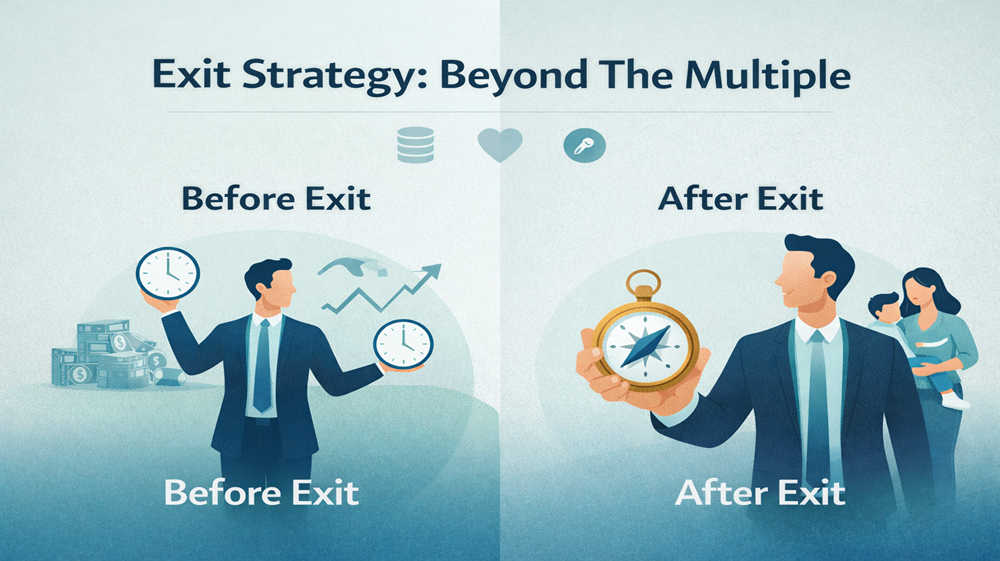
A thoughtful exit strategy is less about chasing the highest multiple and more about aligning wealth, time and identity with the life you want next. For #EntrepreneursinIndia, that means planning years ahead—financially, emotionally and tax-wise—so the big cash out feels like a beginning, not an existential cliff.
Way2World invites you to follow our pages on Facebook and LinkedIn. #Way2World provides insights and news regarding #Founders, #Co-Founders, #WomenEntrepreneurs, #WomenLeaders, #Mentors, #Innovation, #Incubators, #Accelerators, and #Listing. Our #Articles, #Reviews, and #Stories explore topics related to #Funding, #IndianStartUps, their #BusinessServices, as well as the impact of #Technology. Please note that this content, including images, is generated with the assistance of AI tools and is intended solely for informational purposes regarding current trends. It is not a recommendation. We advise conducting thorough analyses tailored to your specific needs and consulting with experts in the field. Content includes contributions from the Internet – RajKishan Ganta.
DISCLAIMER: The information presented in this news item is intended solely for informational purposes and should not be interpreted as professional advice, legal opinion, or endorsement by WAY2WORLD.
We cannot guarantee the accuracy, completeness, or timeliness of the information provided as most is generated using AI. Please Note content is Generated with AI which can make mistakes. WAY2WORLD and its affiliates disclaim any liability for errors, omissions, or damages resulting from reliance on this content.
Readers are strongly encouraged to verify information through multiple sources and to consult with qualified professionals before making decisions based on this material.
The views expressed in this news item reflect the opinions of the author(s) and do not necessarily represent those of WAY2WORLD or its affiliates.
WAY2WORLD does not endorse or promote any specific product, service, or organization mentioned herein unless explicitly stated. We urge readers to exercise their discretion and judgment when interpreting and applying the information.
Comments made in this space do not represent the views of WAY2WORLD. Individuals posting comments assume full responsibility for their content. In accordance with Central Government IT regulations, any obscene or offensive statements against individuals, religions, communities, or nations are punishable offenses and legal action may be pursued against violators.
Source:
- https://blog.privateequitylist.com/average-time-to-exit-venture-capital/
- https://eqvista.com/exit-timing-startups-by-industry/
- https://www.metal.so/collections/8-year-exit-clock-venture-capital-timelines-founder-downsides
- https://www.linkedin.com/posts/ilyavcandpe_how-long-does-it-take-startups-to-exit-activity-7341162793011695616-cdby
- https://www.forbes.com/sites/annefield/2023/04/28/startup-founders-report-entrepreneurship-is-taking-a-toll-on-their-mental-health/
- https://www.linkedin.com/posts/balcauski_a-founder-collapses-after-pitching-investors-activity-7388943438282604544-DYkv
- https://news.cleartax.in/investors-seek-capital-gains-tax-exemption-on-exit-of-investment-in-start-ups/1556/
- https://neerajbhagat.com/capital-gains-tax-relief-likely-for-investors-exiting-startups/
- https://financialmodelslab.com/blogs/blog/timeline-investing-startups